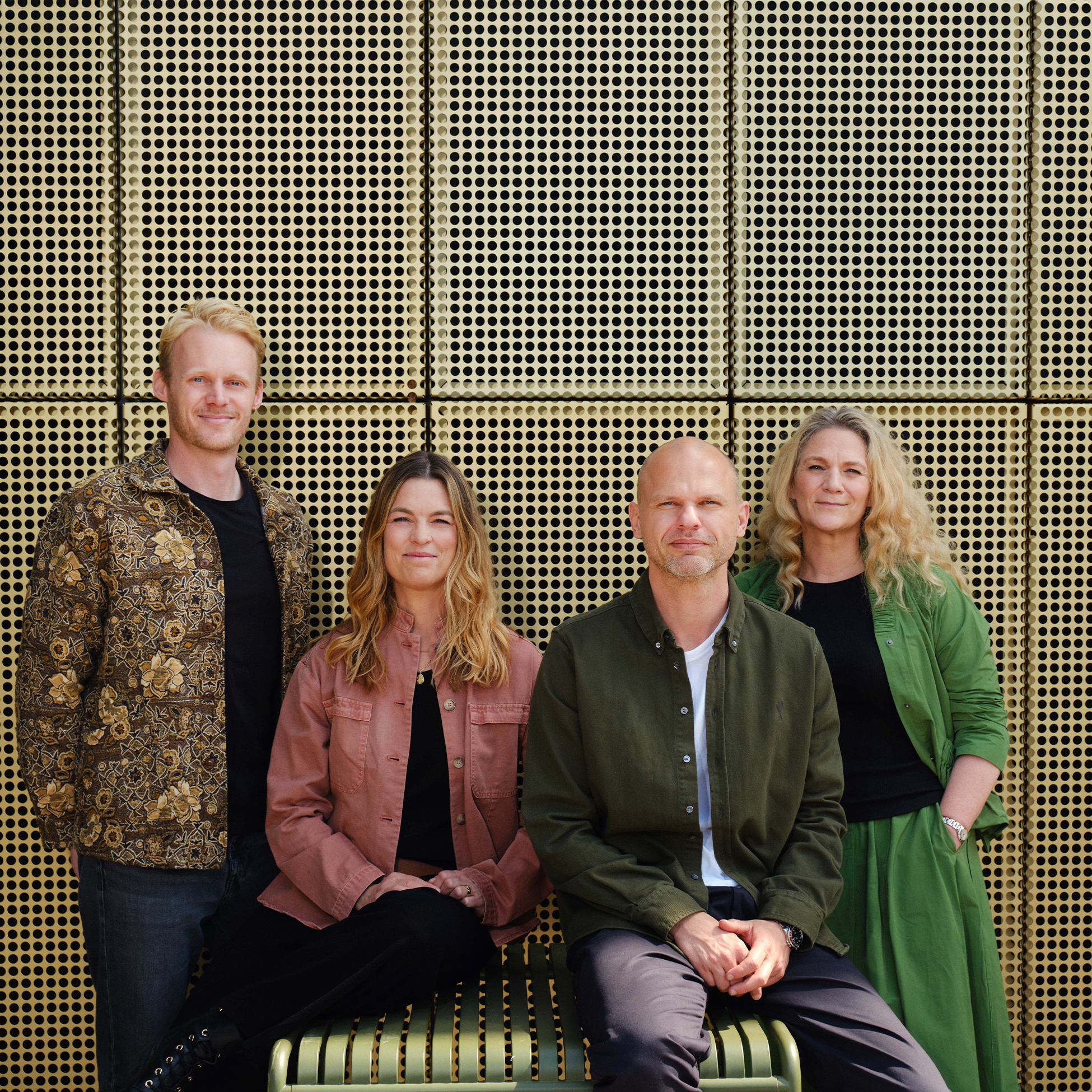

Together with General Partner at Northzone, Pär-Jörgen Pärson, General Partner at Norrsken VC, Agate Freimane, Founding Partner at Cherry Ventures, Filip Dames, General Partner at PSV, Richard Breiter, and moderator Johannes Lenhard, a researcher in ethics of venture capital, we deep dived into the dominating trends, emerging definitions and differences between impact, ESGs and other sustainability terms, approaches to standards and measurements, ESG support for founders and what the next steps will be.
This panel took place on April 08, 2021.
Here are a few of the key take aways from the panel in case you’re not much of a binge watcher.
1. Navigating the array of ESG-criteria is like reading Chinese menus
The current plethora of frameworks and authorities for SDGs and ESGs are confusing, unwieldy, and complex. There is no gold standard or off-the-shelf framework, especially when you are dealing with early-stage startups. The real danger is that it becomes burdensome for VCs and founders. VCs and founders need to focus on their distinctive assets in regard to where they can make a “material” impact rather than trying to grasp upon everything at once.
“There’s something wrong with the ESGs, it’s almost like a Chinese menu. There’s so much to focus on at the same time…” – Pär-Jörgen Pärson, General Partner at Northzone.
When assessing businesses’ ESG impact, a one-size-fits-all approach is unlikely to yield trustworthy results. Founders should focus on the issues that impact their valuation. Materiality matters.
2. We’re all pushing the movement forward
The push towards a more conscious venture and startup landscape aren’t coming from one place. It’s the culmination of growing movements in society around agendas like the climate crisis, #metoo, Black Lives Matter. Of public regulations like recent GDPR policies and focus on data ethics. Thus governments, LPs, investors, media and consumers are rewarding companies with strong sustainability performance – and are putting pressure on those who aren’t following along. Not only are LPs increasingly demanding ESG strategies, but many of them are also focused on the non-financial returns because they want to know (and show) that they are making the world a better place in one way or another. Public-owned investors are definitely leading the way in taking a firm stand.
3. We shouldn’t let perfectionism kill us
There’s no doubt that attention to material ESG issues can deliver better social, environmental, and financial outcomes for VCs and founders. That said, the quality of ESG data is not perfect. It’s nearly impossible to compare companies on the basis of ESG performance as it is today. Yet the critiques of this positive trend shouldn’t make the barriers bigger than they already are. Even companies doing the bare minimum to improve their impact, are still taking a step in the right direction and improving status quo.
“As long we’re directionally right. We’re all learning and evolving, but one thing we know for sure is that we have to start somewhere. A minimum impact is better than none.” – Agate Freimane, General Partner at Norrsken VC
4. It’s all about leadership
We need leaders with the right mindset who integrate economic, social, and environmental systems to drive change. Better measurements and reporting practices are one thing, but leaders who are taking ESG commitments seriously are another. The ESG-framework will soon “simply be how business is done”.
That said, one of the biggest obstacles and worries is that “the law of return really dictates what we do when the hard times arrive”. Right now, the investment returns have never been better for the ecosystem. Point being: It’s extremely difficult to change the rules of financial return – doing that requires collective action and leadership. And it’s the tough times that divide us.
5. Europe is ahead of the ESG game
Although ESGs and impact investing are widely accepted in the United States at the time of writing, Europe has been ahead of the game from the beginning. Conscious investing has not only gathered a lot of momentum in the past years but recently VCs in Europe have actively been pushing for accountability in their portfolios.
Many European VCs are flipping the old narrative about ESG risk mitigation around. Instead, they are becoming more and more aware of the opportunities, they can leverage by focusing on impact or ESG-driven strategies – both in their investment thesis by targeting startups that perform well on selected ESG or SDG goals, but also by supporting their portfolio companies individually in developing and improving their ESG performance.
For instance, tech investors across Europe are adding a ‘sustainability clause’ to their term sheets, and are behind different initiatives such as non-profit Leaders for Climate Action. The progressive approach to taking responsibility is creating a huge opportunity for Europe to gain new ground …
The way we see it at PSV, any investor who takes pride in making an impact has to put the livelihood and wellbeing of humans first in everything they do.
We look forward to share more of our own learnings as we gain new knowledge from our own activities in the field. Hopefully, this panel can contribute to yours in the meantime.